September 8, 2026
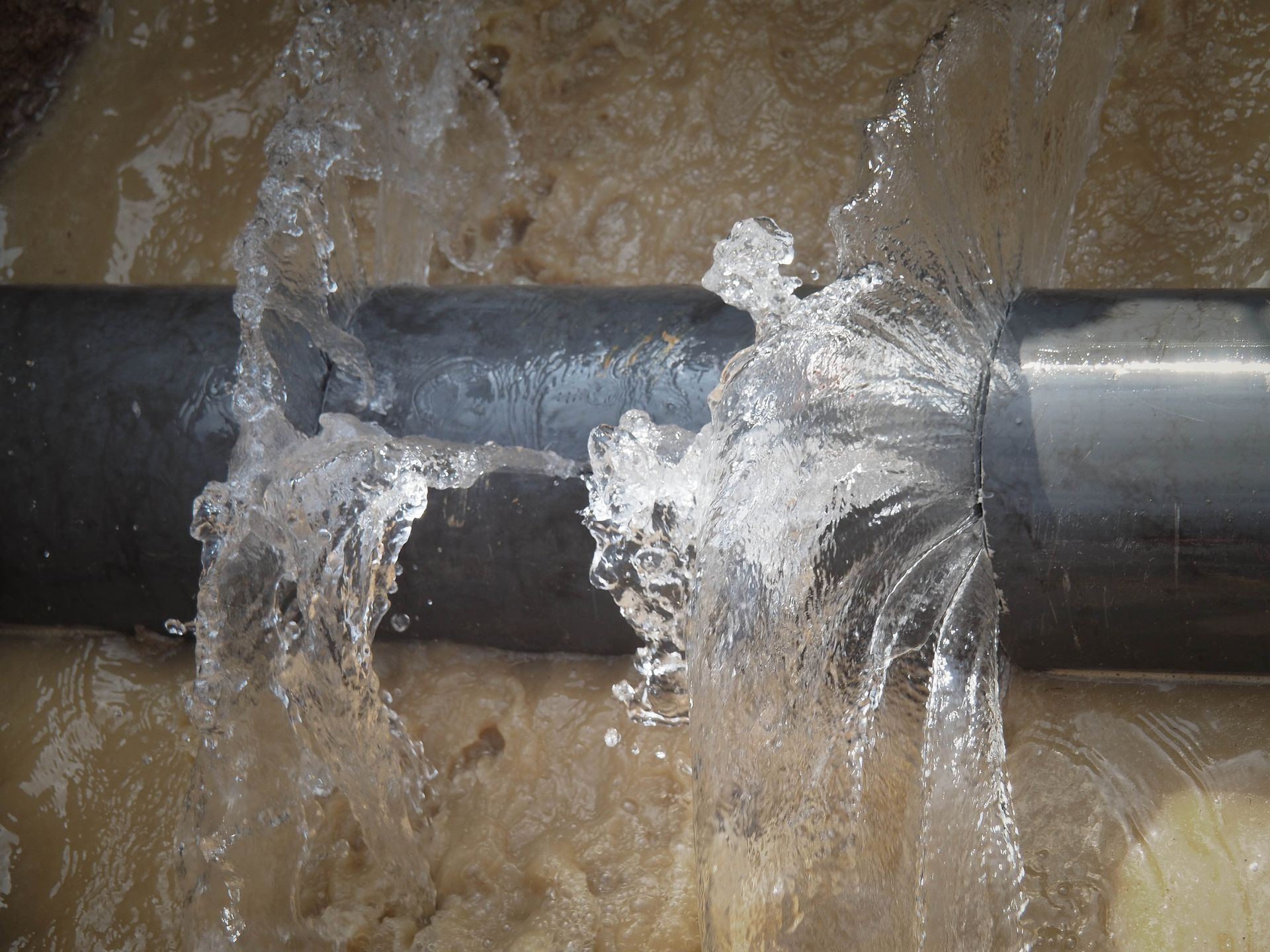
A burst pipe can quickly become one of the most stressful plumbing emergencies a homeowner can face. What may begin as a small drip can turn into rushing water that damages floors, walls, ceilings, furniture, and personal belongings. Homeowners should know where the main water shutoff is located and understand how to turn it off before an emergency occurs. It is also important to keep electrical hazards in mind whenever water reaches areas containing outlets, appliances, or wiring. While some minor leaks may seem manageable, a burst pipe generally requires professional attention to identify the cause and complete the necessary repairs. Understanding the right immediate steps can make a difficult situation easier to manage and help you get your home back to normal as safely as possible.
Stop the Water Flow
A burst pipe can turn a normal morning into a serious household emergency within minutes. Water can quickly spread behind walls, beneath flooring, and into ceilings or cabinets. Your first priority should be stopping the source before worrying about cleanup or repairs. If you can safely reach the main shutoff valve, turn it clockwise until the water stops flowing. For homes with separate shutoff valves, you may also be able to isolate the affected fixture or pipe. Once the water is off, avoid using sinks, toilets, washing machines, or other fixtures connected to the damaged line. Promptly contacting plumbing services can help you determine what caused the failure and what needs immediate attention. Acting quickly can reduce water damage and give you a better chance of protecting your belongings.
Shut Down Electrical Power
Water and electricity create a dangerous combination, so electrical safety should become your next concern. If water is near outlets, appliances, electrical panels, or exposed wiring, do not touch those areas while standing in water. Never walk through standing water to reach an electrical switch or panel. If the electrical panel is located in a completely dry, accessible area, you can consider shutting off power to the affected portion of the home. However, leave the electricity on if reaching the panel would require contact with water or create another hazard. Instead, move everyone away from the affected area and contact a qualified professional for assistance. Plumbing services may address the damaged pipe, but electrical concerns may require a licensed electrician. Keeping people safe should always take priority over protecting property during a plumbing emergency.
Identify the Damaged Area
After the water has been stopped and the area is safe, try to identify where the pipe failed. Look for visible cracks, splits, dripping joints, bulging walls, wet ceilings, or pooling water. The location where water appears may not be the location where the pipe actually broke. Water can travel through framing materials and emerge several feet away from the original leak. Take a few photographs or videos of the affected areas before extensive cleanup begins. These records can help document the situation for your insurance company and provide useful information to plumbing services. Avoid cutting into walls or ceilings unless a qualified professional determines that opening the surface is necessary. A careful inspection can help reveal the scope of the problem without creating additional damage.
Protect Your Belongings
Once the immediate hazard is under control, move furniture, electronics, rugs, and other valuables away from standing or dripping water. Place waterproof containers beneath active drips when doing so is safe and practical. Use towels or other absorbent materials to contain small amounts of water, but do not put yourself at risk to reach difficult areas. Items that have already become soaked should be moved to a dry, ventilated location when possible. Prompt attention can be especially important for wood furniture, paper materials, electronics, and upholstered items. Professional plumbing services can stop the underlying problem, while proper drying helps limit secondary damage. Do not assume that a surface is dry simply because visible water has disappeared. Moisture trapped inside walls, floors, and cabinets can continue causing problems long after the initial leak is gone.
Check for Hidden Damage
A burst pipe can create damage that is much larger than the puddle you initially notice. Inspect nearby walls, ceilings, floors, cabinets, and baseboards for discoloration, swelling, soft spots, or unusual odors. Pay special attention to areas directly below the damaged pipe because water may have traveled downward. If drywall feels soft or begins to sag, keep people away from the area until it can be professionally evaluated. Wet insulation can also hold moisture and may require specialized removal or drying. According to a 2025 Houzz study, 26% of homeowners remove bathtubs during remodeling, and among those projects, 82% enlarge the shower stall while 20% relocate it, showing how plumbing layouts can change significantly during renovations. If a burst occurs near a bathroom remodel, plumbing services can help evaluate whether existing connections or newly altered lines contributed to the problem. Identifying hidden moisture early can make restoration more manageable.
Avoid Temporary Repairs
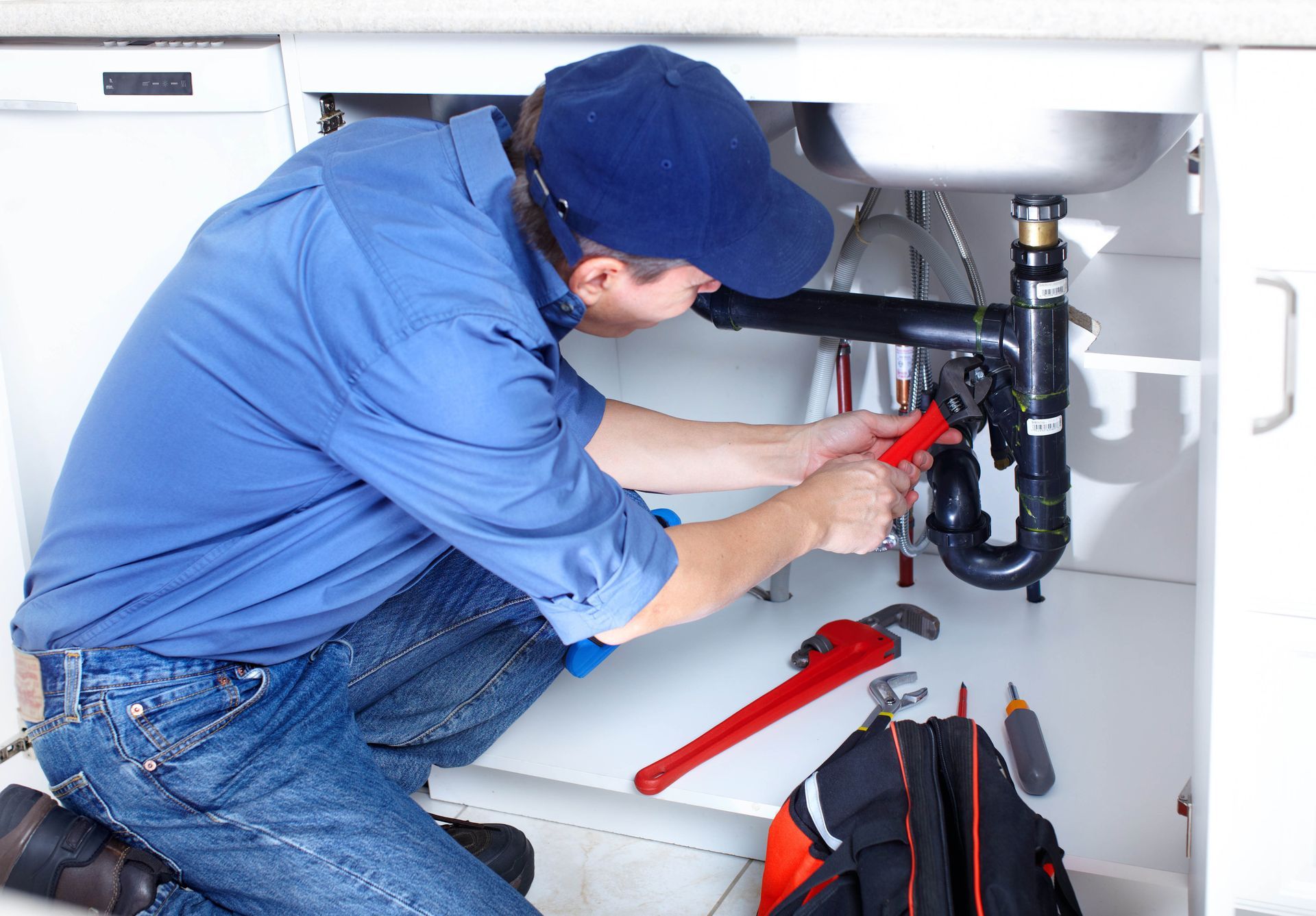
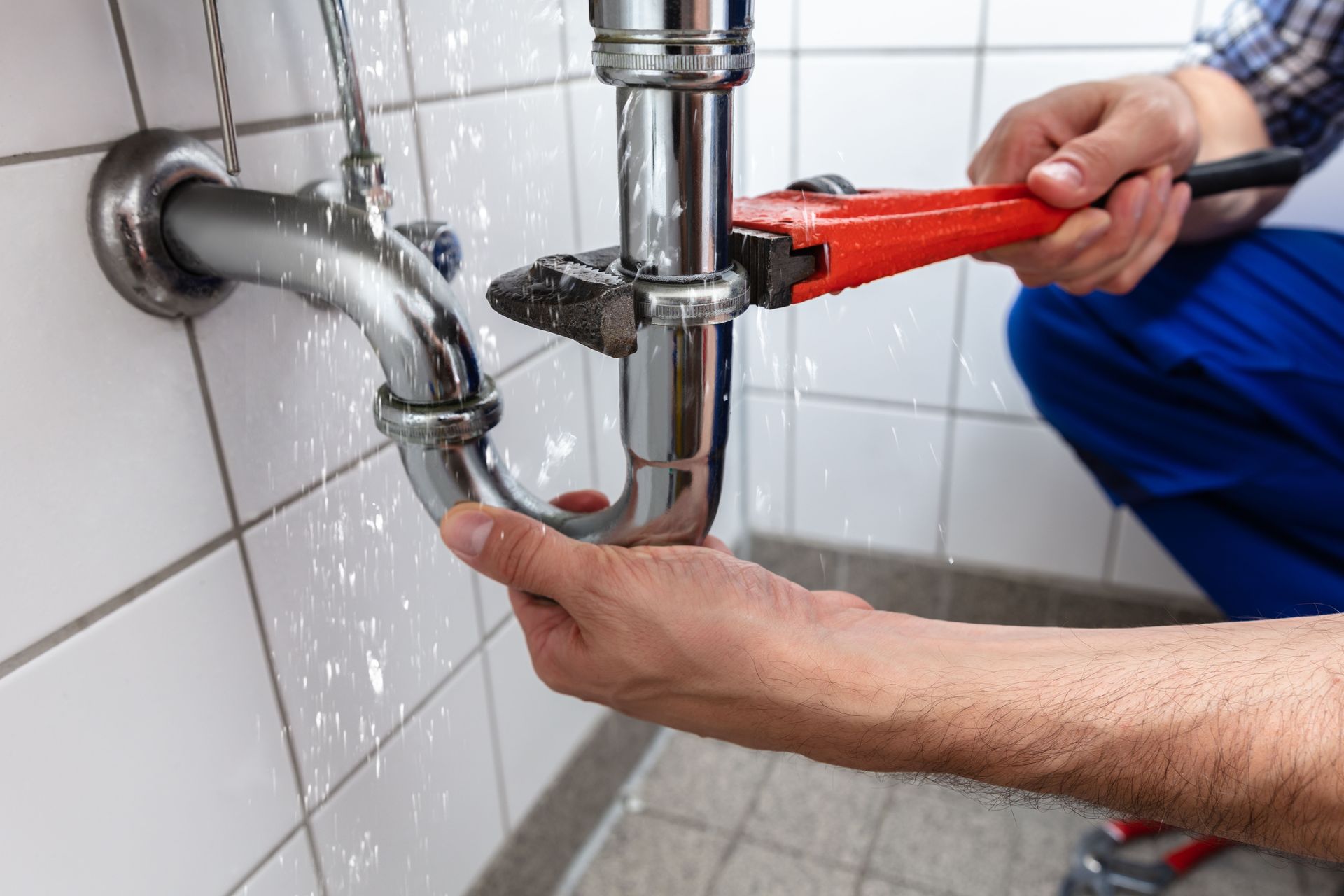
Homeowners may be tempted to wrap a damaged pipe with tape or place a container underneath it and consider the problem solved. These measures might temporarily control a small leak, but they do not repair a compromised water line. A pipe that has already burst can have additional weak areas that may fail later. Temporary patches can also make it harder to identify the full extent of the damage. Instead, keep the water supply turned off until the damaged section can be properly inspected. Professional plumbing services can determine whether the affected portion needs replacement, reconnection, or another appropriate repair. Avoid applying excessive pressure, cutting pipes, or attempting unfamiliar repairs without the proper tools and knowledge. A short-term fix should never be treated as a permanent solution to a major plumbing failure.
Document the Damage
Before cleanup completely changes the appearance of the affected areas, document what happened as thoroughly as possible. Photograph damaged walls, flooring, ceilings, cabinets, appliances, furniture, and personal belongings. Write down when you discovered the burst and what actions you took afterward. Keep receipts for emergency supplies, professional drying, repairs, and replacement materials when applicable. If you have homeowners insurance, contact your provider and ask what documentation or procedures are required for your situation. Plumbing services may also provide written descriptions of the damage, repair recommendations, or invoices that can support your records. Avoid throwing away severely damaged belongings before determining whether your insurer needs to inspect them. Organized documentation can make it easier to explain what happened and track the steps taken to restore your home.
Prevent Another Emergency
After the immediate crisis has passed, take time to identify why the pipe failed in the first place. Corrosion, freezing temperatures, high water pressure, aging materials, damaged connections, and improper installation can all contribute to pipe problems. Ask a professional to inspect nearby plumbing when the cause of the failure is uncertain. Plumbing services can also help identify vulnerable pipes and recommend repairs or maintenance that may reduce future problems. During cold weather, protect exposed pipes and keep vulnerable areas adequately heated. Learn where your main water shutoff valve is located so everyone in the household can reach it during an emergency. Consider labeling important shutoff valves so you do not have to search for them when water is spreading quickly. Preventive maintenance can turn a stressful emergency lesson into an opportunity to make your home's plumbing system more resilient.
Restore Your Home Safely
Cleanup should continue only after the source of the water has been repaired and the affected areas have been evaluated. Standing water should be removed promptly, while damp materials need enough ventilation and drying time to prevent lingering moisture. Fans, dehumidifiers, and professional drying equipment may be useful depending on the severity of the damage. Do not cover damp walls, flooring, or cabinets simply to make the room look normal again. Materials that remain wet inside can develop additional problems that are difficult to see from the surface. Plumbing services can handle the pipe repair while restoration professionals may address extensive water damage when necessary. Once repairs and drying are complete, inspect the affected space carefully before returning furniture or belongings. With the right response, homeowners can move from emergency control to a safer and more complete restoration.
Need help after a burst pipe? Contact Tomahawk Plumbing today for prompt, professional assistance in getting your home's plumbing back in working order.